Jan 29, 2026
Machine Learning Applications in Materials Chemistry: The Rombo AI Approach
Machine learning is turning NMR into a predictive tool for industrial analytics. By applying AI d...
·
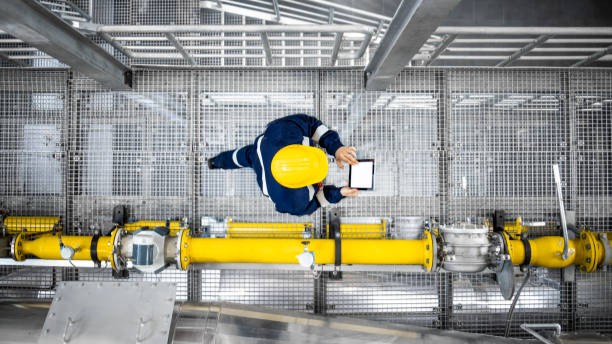
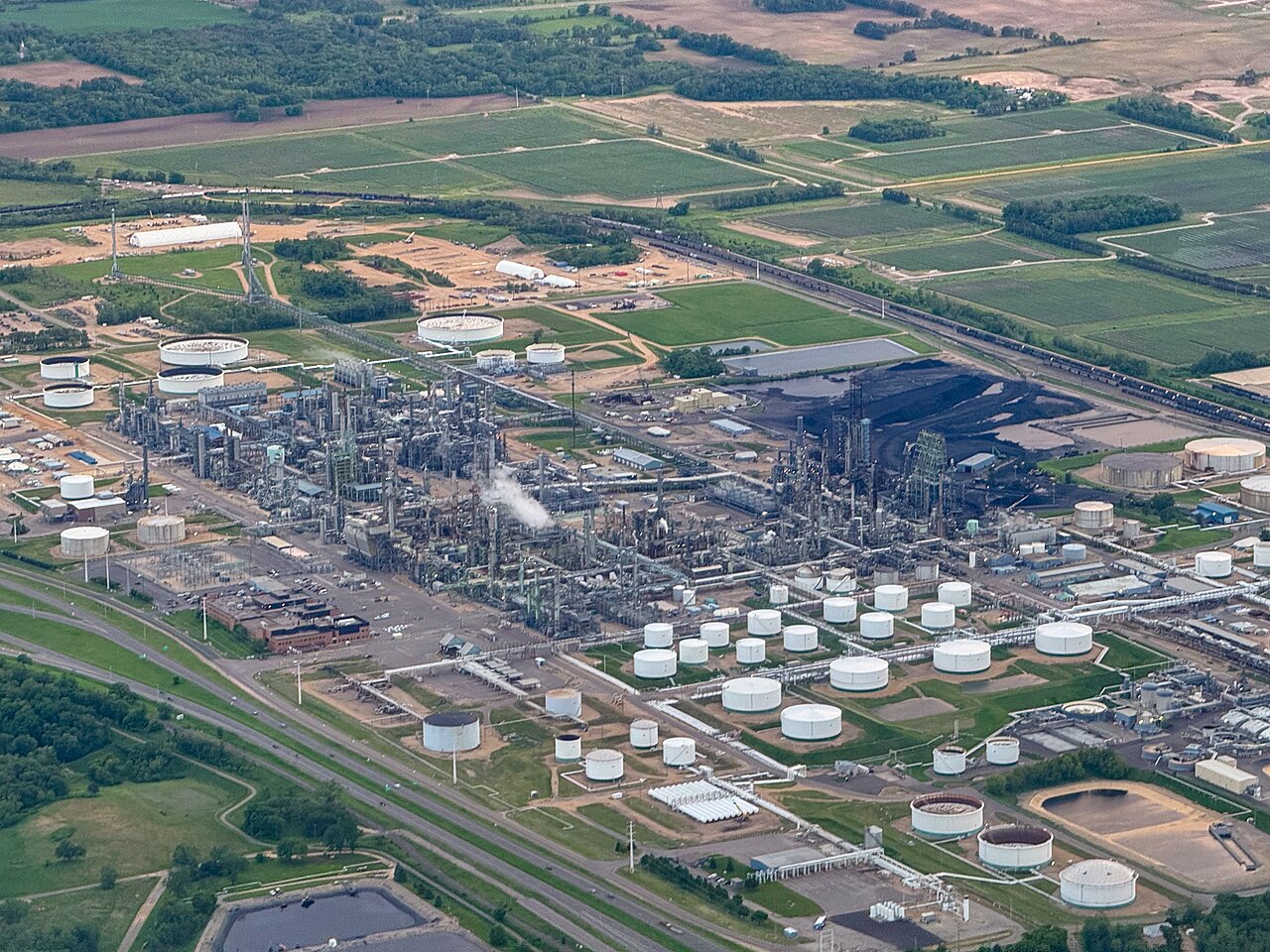
At one of Asia’s largest energy companies owning several refineries, the R&D analysis team is responsible for evaluating hundreds of crude oil feedstocks each day, which directly influence each refinery efficiency and profitability. As expected, their laboratory environment is highly technical, regulated, and accuracy-driven, yet the reality of conventional crude oil assays had become a persistent operational bottleneck.
A full crude assay - covering physico-chemical properties and multiple distillation fractions – still required several weeks to months to complete, as per the current industry standards.
It’s impossible for refineries to wait for laboratory assay results before making purchasing or blending decisions. Today, these decisions rely on a mathematical optimization model that estimates which crude oils to buy based on factors such as crude price, composition, expected product values, and operating costs. A crucial input to this model is the crude’s physicochemical profile and its distillation yields.
When real assay data is unavailable, companies rely on estimated values derived from historical information - but these estimates are often generic and highly inaccurate. For example, properties such as API gravity (see image 1) can vary significantly depending on season, well evolution, and shipment-to-shipment differences, and many other key parameters show similar variability.
*Image 1: Example of API Fluctuations over time. Property of Rombo AI.
*
As a result, the model’s recommendations are only approximate, meaning that purchasing and blending strategies are often suboptimal. This is why accurate, near–real-time crude measurements are essential; refineries simply cannot wait two months for traditional assay results. The need for faster, reliable crude oil evaluation was clear.
The refinery’s R&D division faced three core challenges:
Despite strong laboratory expertise, the team needed a modern approach that could maintain laboratory-grade accuracy while improving speed.
In 2021, when the refinery partnered with Rombo AI, their objective was straightforward: accelerate blending and trading decisions and reduce logistical bottlenecks – without compromising precision.
During early collaboration sessions, their R&D laboratory teams explained the scenario and that a solution capable of compressing analytical timeframes would have an immediate, measurable impact across the refinery.
To address these issues, we/Rombo AI deployed the NMR AI Analyzer, a benchtop low-field NMR system enhanced with machine-learning models trained on the refinery’s own laboratory results.
The Analyzer leverages low-field NMR spectra and deep learning algorithms to estimate over 40 crude oil properties simultaneously, including API gravity, sulfur content, TAN, viscosity, and distillation yields across multiple boiling ranges. Once installed, operators could perform a complete assay with a simple three-step workflow:
This shift replaced weeks of complex testing with a single, automated, high-precision process. Moreover, non-technical laboratory staff was able to fully utilize the technology, enabling the team to scale crude oil analysis without relying on specialized expertise.
1. Full assays delivered in 15 minutes
The NMR AI Analyzer successfully analized over 40 crude oil properties simultaneously, including API gravity, sulfur content, TAN, viscosity, and distillation yields across multiple boiling ranges. Through this information, the refinery gained the ability to compare, select, and validate crude oils on the same day, enabling faster commercial and operational decisions.
2. ~90% reduction in analytical workload
Tasks previously requiring multiple instruments and specialists were consolidated into one automated system.
3. Greater visibility into crude variability
The team can now run more frequent assays, capturing fluctuations that were previously invisible due to lengthy and expensive traditional workflows.
4. Laboratory-level accuracy
Machine-learning models met the refinery’s internal accuracy benchmarks, delivering results aligned with ASTM/ISO practices.
We were glad to successfully complete this project for our overseas client. In just 12 months, we were able to demonstrate how integrating AI with low-field NMR can modernize refinery analytics and deliver immediate business impact, without requiring major changes to laboratory infrastructure.
If your company is facing similar challenges, request a free feasibility analysis: contact us.
Posted by
Silvia Bongiovanni — Marketing & Communications
BOOK A DEMO
Share your analytical challenge with our team. We will assess technical fit, data or sample requirements, and the fastest path to a focused pilot.
Book a demo