Aug 03, 2026
The Missing Layer in NMR Machine Learning
Task-specific deep learning, low-field constraints, and the case for reusable spectrum representa...
·

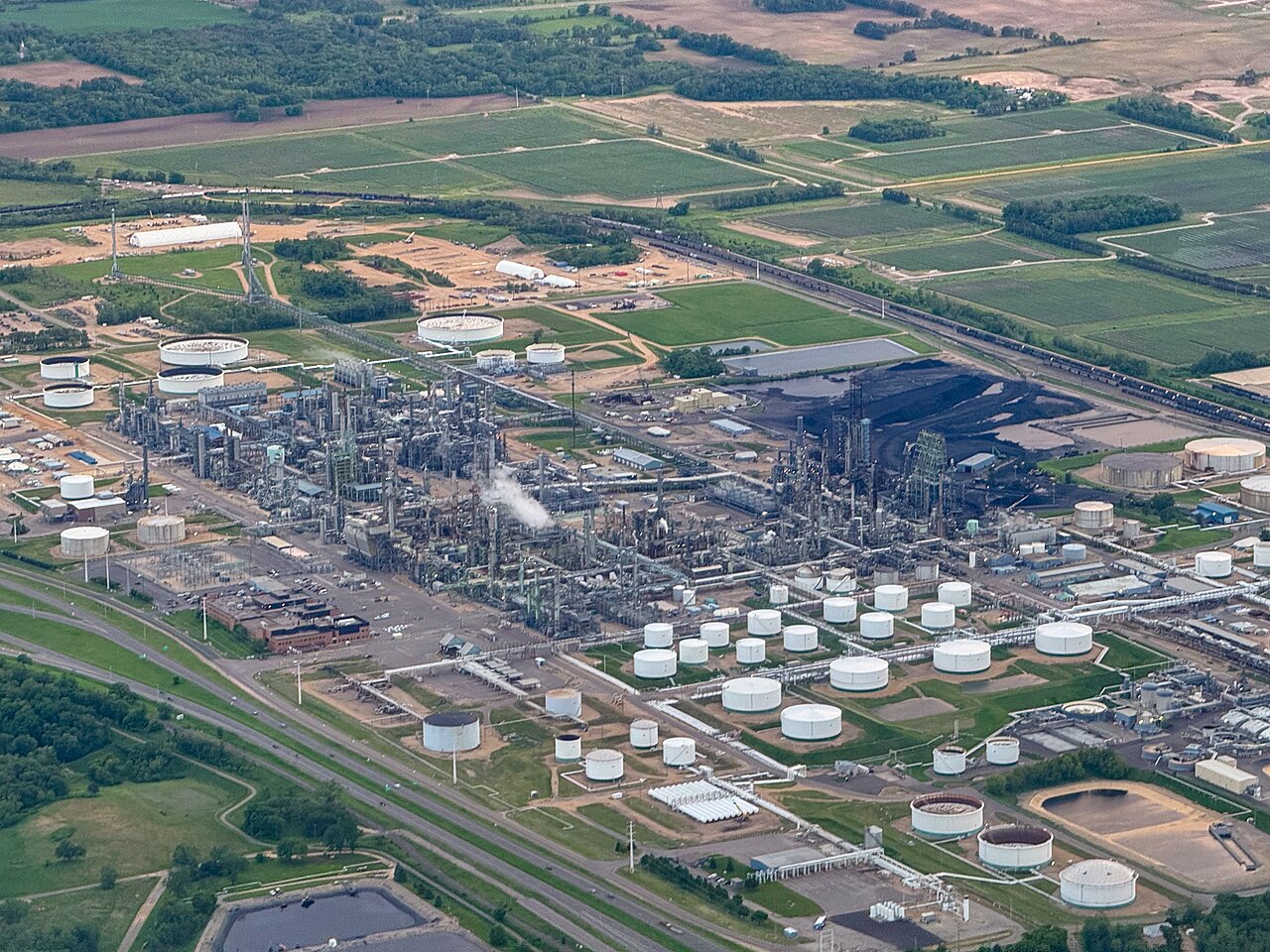
In refinery environments, the smallest improvements in timing, decision-making, and quality can make the biggest difference. The downstream industry has always operated within a highly interconnected framework, where decisions in one area can have a great impact and echo across the value chain.
Understanding these elements is essential to fully evaluate how and where Artificial Intelligence can have the biggest impact. In recent years, AI solutions have shown significant potential across the value chain, from process optimization to manual process automation to faster and more informed decision-making.
What’s interesting is that the value doesn’t look like it’s coming from the new technology – which is sometimes pursued for the sake of tech itself, visibility, short-term narratives, or “AI for the sake of AI”, but from data connection and true, measurable improvements. New technologies mean company transformations, but adoption and impact are what ultimately deliver value.
The downstream sector has been operating for more than 100 years, yet complex supply chains, tight industry policies, logistic issues, geopolitical circumstances, and long-dated operation processes have occasionally hindered the implementation of new tech. Despite the growing interest in AI applications, some refineries still perceive these new frameworks not only as an extra level of tech, but also as risky integration costs and are intimidated by the effort and time required to build the models from the available data.
In our day-to-day approach to refiners, we notice a strong interest toward AI solutions and Machine Learning at the operational level. The interest is real, and the budget is often there. However, it is important to look at AI solutions realistically. AI may not be able to solve every problem of the downstream processes, but it has the potential to improve and transform the way manual tasks are performed and deliver tangible value. On a broad level, what seems to be key for the downstream is the capability of early issue detection, optimize both blends and crude oil mixes, automate routine analytical work, and overall get the best products with the least loss and maximum profit. AI increases visibility around irregular operations and helps companies respond more quickly and with better coordination. In refinery environments, timely improvements, even small ones, can make a great difference.
It’s estimated that a suboptimal blend can cost up to $0.5 to $3 per barrel, in a medium-sized refinery with a 100 thousand bpd output– we’re talking millions in the span of a year. The key to address these challenges is about knowing exactly what’s moving through the pipelines.
And that knowledge begins in the laboratories.
The latest advances in AI technologies have been leveraging spectroscopy for industrial applications. In particular, benchtop NMR (Nuclear Magnetic Resonance) instruments have found fortune inside refinery analytical laboratories. By analyzing NMR spectra with machine learning models, refiners can rapidly characterize complex mixtures and petroleum streams and generate detailed material fingerprints that would otherwise require extensive expert interpretation.
At Rombo AI, we believe AI-powered NMR analysis can successfully support crude oil characterization, feedstock classification, production optimization, and quality control. However, as mentioned above, the effectiveness of any AI model ultimately depends on the quality and accessibility of the underlying data.
The best opportunities are where the best data is. As we always say to clients, models can only be as good as the data they are fed with. The value of AI is not just tied to its speed or automation – but it’s intrinsically bound to the accuracy of its results.
Unfortunately, sometimes it’s a stack of papers locked away in a dusty cabinet somewhere at the back of an R&D lab.
If historical lab data is inaccessible, can we get new data from crude oil samples? That’s another challenge that often clashes with company secrecy and tight data protection policies. As a startup moving within this space, we see how important it is to be mindful of these aspects to protect our client’s IP ownership and business processes while introducing AI solutions.
The opportunity is real, but it’s also about applying AI organically and selectively, in an open dialogue with the client and within their boundaries, while prioritising accuracy and real decision-making needs.
For our refinery clients, our recommendation is always the same: integrating new technologies into operations is not just about adopting AI for the sake of AI and disrupt what has been done until now – it’s about enhancing what they already have and how they operate in a rapidly evolving, interconnected ecosystem. While keeping both its potential and its limitation in mind, downstream refineries will be able to leverage AI and machine learning to address the most complicated operational challenges and move toward greater efficiency, profitability, and reliability.
In our next article, we will explore in more detail the concept of AI-as-a-service for refineries, what margins can be expected, and what is needed to successfully plug in AI in downstream.
Have questions or feedback? Contact us.
Posted by
Silvia Bongiovanni — Marketing & Communications
BOOK A DEMO
Share your analytical challenge with our team. We will assess technical fit, data or sample requirements, and the fastest path to a focused pilot.
Book a demo